


Video Production
Video Post Production Checklist: Your Blueprint to Flawless Videos!

Creating a video is like cooking a fancy dish. You have your ingredients ready, but without the right steps, your dish might not turn out as tasty. That’s where a video post production checklist comes into play! It’s like your recipe for turning raw footage into a delightful visual feast. This checklist helps you not to miss out on adding the ‘salt and pepper’ to your video, ensuring everything blends well together.
As we venture into the lively world of video editing, this checklist will be our guide to making sure our video not only looks good but tastes great to the eyes! So, let’s roll up our sleeves and dive into the exciting journey of video post-production, where creativity meets order, and where our video comes to life!
Contents
Pre-Production Checklist
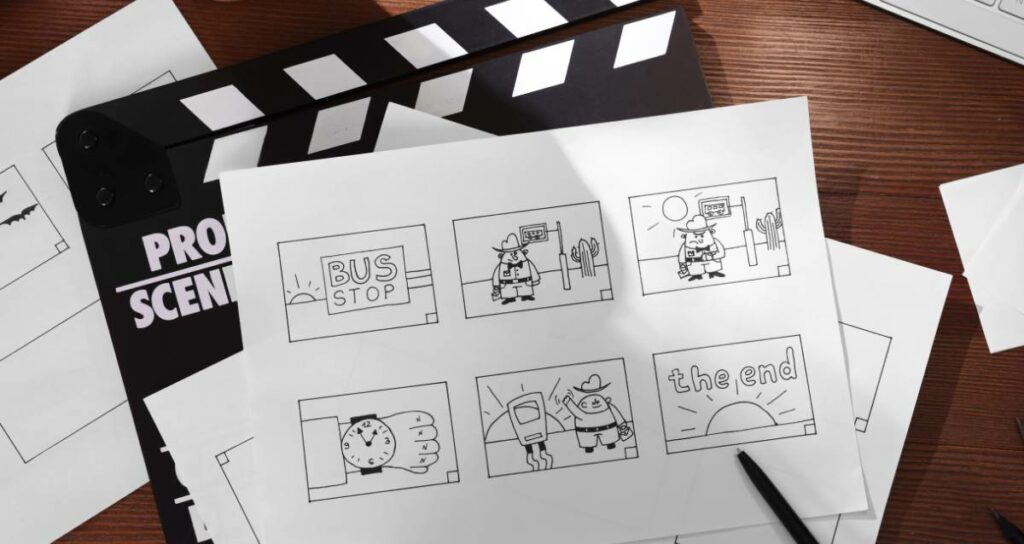
The pre-production stage is akin to laying down the first bricks for building a house. It’s about sketching the blueprint that will guide the entire project toward success. Here’s how to navigate through this crucial phase:
1. Defining Goals and Identifying Audience
Before diving into the waters of video creation, it’s paramount to have a clear map. Know the treasure you are after – your goals. Are you aiming to educate, entertain, or engage your audience? Understanding your goals will steer your project in the right direction. Equally important is knowing who will be watching your video. A well-defined audience helps in tailoring your message to resonate well, ensuring your video hits the mark.
2. Message Development and Scriptwriting
With a clear vision and audience in mind, it’s time to craft your message. What story are you telling? What emotions do you want to evoke? A well-knit message is the soul of your video. Now, let’s put that soul into words through scriptwriting. A script is your video’s skeleton, outlining every scene, dialogue, and transition. It’s the first glimpse of how your video will unfold.
3. Budgeting and Resource Allocation
Even the most captivating video ideas can hit a wall if the budget is overlooked. It’s essential to know your financial boundaries and plan within them. Allocate resources wisely, ensuring every aspect of your video, from location to talent, is well-financed, avoiding any roadblocks in the journey ahead.
4. Location Scouting and Talent Hiring
Now that the finances are sorted, it’s time to scout for the perfect backdrop for your story – the location. A fitting location enhances your video’s appeal. Concurrently, casting the right faces and voices is vital. The right talent breathes life into your script, ensuring your message is delivered effectively.
5. Equipment Checklist
Lastly, gear up! Ensure you have the right tools to capture your vision. From cameras to microphones, having a checklist of necessary equipment will save you from any last-minute hitches.
Having navigated through the planning waters of pre-production, we now sail into the action-packed realm of production. This is where the rubber meets the road, and your well-laid plans begin to take a tangible form.
Production Checklist
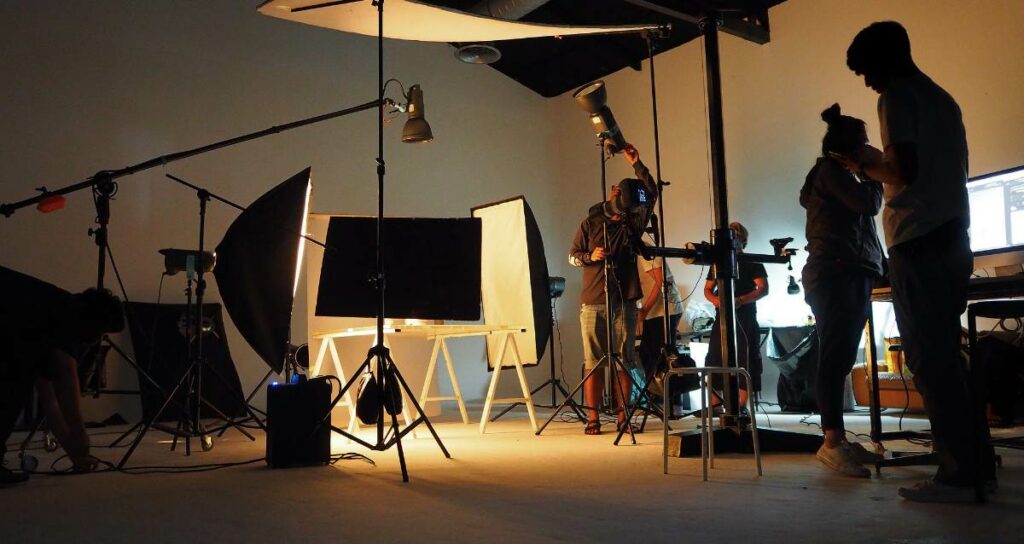
Production is the stage where your blueprint from the pre-production phase starts to come alive. It’s the playground where creativity meets reality, and here’s how to navigate through it:
1. Gear Preparation
Firstly, a well-prepared toolkit is your best companion on the production floor. Ensure all your gear is in working order and ready to roll. This includes checking your cameras, lighting equipment, microphones, and other essential gadgets. A simple checklist can be a saviour, ensuring nothing essential is left behind.
2. Camera Settings and White Balance
Stepping onto the production floor, getting your camera settings right is crucial. The white balance, shutter speed, and focus need to be spot-on to capture crisp and clear footage. A properly balanced white ensures the colours are true to life, laying a solid foundation for post-production enhancements.
3. Audio Recording Best Practices
Good visuals paired with poor audio can be a viewer’s nightmare. Ensure your audio recording is clear, with minimal background noise. Using headphones to monitor the audio in real-time is a smart move, helping catch any glitches before they become a major problem.
4. Shooting Techniques
Now, onto the exciting part – rolling the cameras! It’s essential to capture a variety of shots – wide, medium, and close-up, to keep your video engaging. Don’t forget to follow your script and shot list, ensuring every planned scene is captured to perfection. Pay attention to the framing, lighting, and focus to get the best out of every shot.
Video Post-Production Checklist

Post-production is akin to polishing a gem; it’s where your footage is cut, coloured, and crafted to perfection. It’s the phase where technical expertise meets creative vision to produce a video that resonates with your audience. Here’s how to navigate through this detailed phase:
1. Footage Organisation
Before diving into editing, a well-organised library of your footage is crucial. Sort and label your clips, making it easy to locate the pieces you need. This preliminary step can save you a heap of time and frustration in the long run.
2. Editing Essentials
Now, it’s time to roll up your sleeves and dive into the editing process. Trim the excess, and keep the essence. Look for smooth transitions between scenes, ensuring a logical flow that keeps the audience engaged. Keep a keen eye out for any flash frames or inconsistent audio levels, correcting them as you go along.
3. Selective Inclusion of Footage and Audio
Less is often more. Include only the footage and audio that contribute to your narrative, ensuring a crisp and clear message. It’s about crafting a story that’s engaging and to the point.
4. Graphics and Titles
Adding graphics and titles can elevate your video, providing context and additional information. Ensure they are professionally designed and consistent in style. They should enhance, not distract.
5. Export Settings and Final Touches
As you near the finish line, pay close attention to your export settings. Ensure they match the platform requirements where your video will be showcased. This is also the time for any final touches to perfect your video.
6. Distribution and Optimisation
And voila! Your video is ready to meet the world. But before it does, ensure it’s optimised for different platforms, be it social media, a website, or a video-sharing platform.
Mapletree Media

At Mapletree Media, a premier digital agency and media owner established in 2006, we’ve been crafting masterful visual narratives for over 17 years, positioning us as a leading video production company in Singapore. Our journey, driven by our mission ‘Making Brands Shine Online Since 2006’, has led us to work with a diverse array of clients, including those in public sectors, corporations, and SMEs. With a portfolio enriched by over 2000 satisfied clients, including collaborations with STB, Banyan Tree, Yeo Hiap Seng, and Changi Airport, we stand as a testament to quality and creativity in video production.
Our adept team, a blend of seasoned designers, copywriters, developers, and SEO experts, excels in orchestrating every aspect of video production. We believe in a collaborative approach, aligning closely with your vision and message, to create content that truly speaks to your audience. Our comprehensive services cover the entire video production spectrum, from initial concept development and engaging production to meticulous post-production editing. At Mapletree Media, we’re committed to providing a one-stop solution for all your video content needs, ensuring the final product not only captivates your audience but also solidifies your presence in the competitive digital world.
Partnering with us means more than just engaging a video production company; it’s about joining forces with a dedicated team that’s focused on making your brand stand out online. Through our extensive expertise in video production, combined with our proven track record in digital marketing, we ensure that your story not only comes to life but does so in a way that leaves a lasting impact in the market. Let us help you transform your vision into a compelling digital asset that resonates with your audience and elevates your brand.
Conclusion
Creating a video is a journey from an idea to a story that everyone can see and enjoy. The video post production checklist is like a helpful friend that makes this journey smooth and fun. In the beginning, it helps you plan everything well in the pre-production stage. Then, it makes sure you capture all the good moments during the production stage. Finally, it helps you put all the pieces together beautifully in the post-production stage.
With this checklist, making a video becomes less of a tough task and more of an exciting adventure. It ensures you don’t forget any important step and helps you create a video that shares your story just the way you imagined it. So, the Video Post Production Checklist is not just a list, but a companion in your creative journey, ensuring every step leads to creating something amazing and enjoyable!